

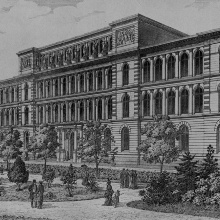
In a history that will soon span 190 years, many names, events, numbers and dates tell the story of how the University of Stuttgart evolved.
- Luminaries
Famous personalities who have worked at the University of Stuttgart.
Historical events and personages
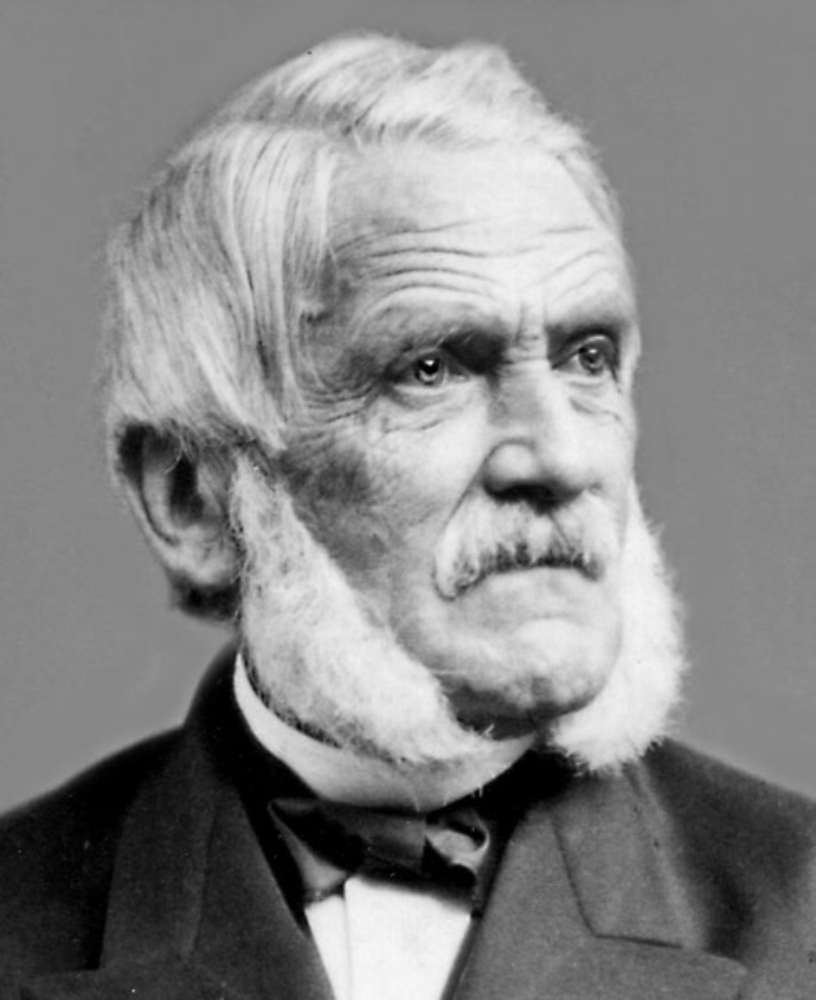
1848: Fehling's test
Hermann C. Fehling was Professor of Chemistry at the Stuttgart Polytechnic School from 1839 to 1883. He is the discoverer of “Fehling’s solution” for reducing sugars. But there is much more to Fehling than his solution. He made chemistry the poster child in Stuttgart.
1886: First motorized carriage
Gottlieb Daimler studied mechanical engineering in Stuttgart from 1857 to 1859. He was the first to install an engine in a carriage in 1886, which makes him the inventor of the automobile – a historical milestone.
1911: The first professorship for aeronautical engineering
Alexander Baumann was appointed Germany ‘s first professor for “airships, aeronautical engineering, and motor vehicles.” From this beginning developed todays concentrations in aeronautical and aerospace engineering as well as motor vehicle research.
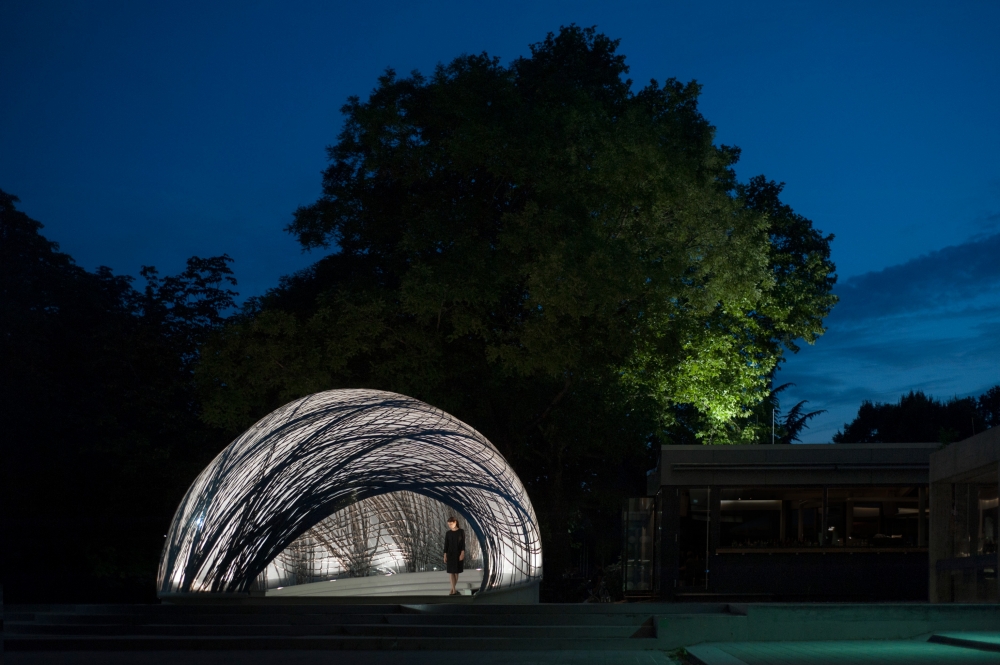
1962: Lightweight construction
The University of Stuttgart since the 1960s has developed into a center of lightweight construction of nature-oriented structures and assemblies designed to emulate biological patterns. Frei Otto and Jörg Schlaich are two important practitioners.
1972: Discovery of the tobacco mosaic virus
In 1972, Karl-Wolfgang Mundry played a role in the discovery of virus and helped to unlock fundamental problems of microbiology. He was one of the fathers of the degree program for technical biology, that today still ranks as one of the most important reform efforts on the German biology landscape.
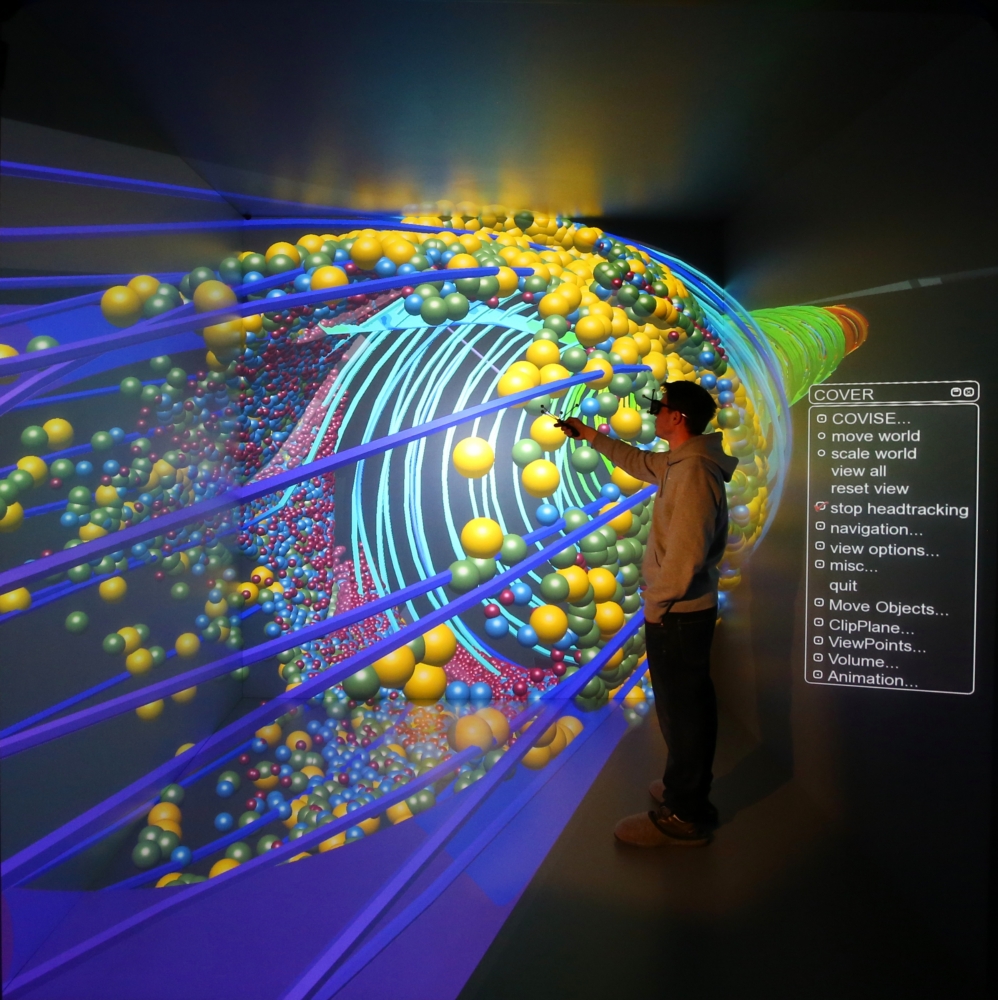
1996: Super computing
Already in the 1950s, the capability of the Stuttgart mainframes was comparatively high. In 1997, the Super Computing Center (HLRS) was designated as a Federal computing center. This was a big step on the way to today’s simulation technology concentration.
1996: Following the sun
The Icaré II solar plane, a masterpiece of lightweight construction, is a project of the University of Stuttgart‘s Aerospace Engineering faculty. In 1996, it achieved a world first by completing a non-stop 350 km solar-powered flight.
Chronology by year
1829
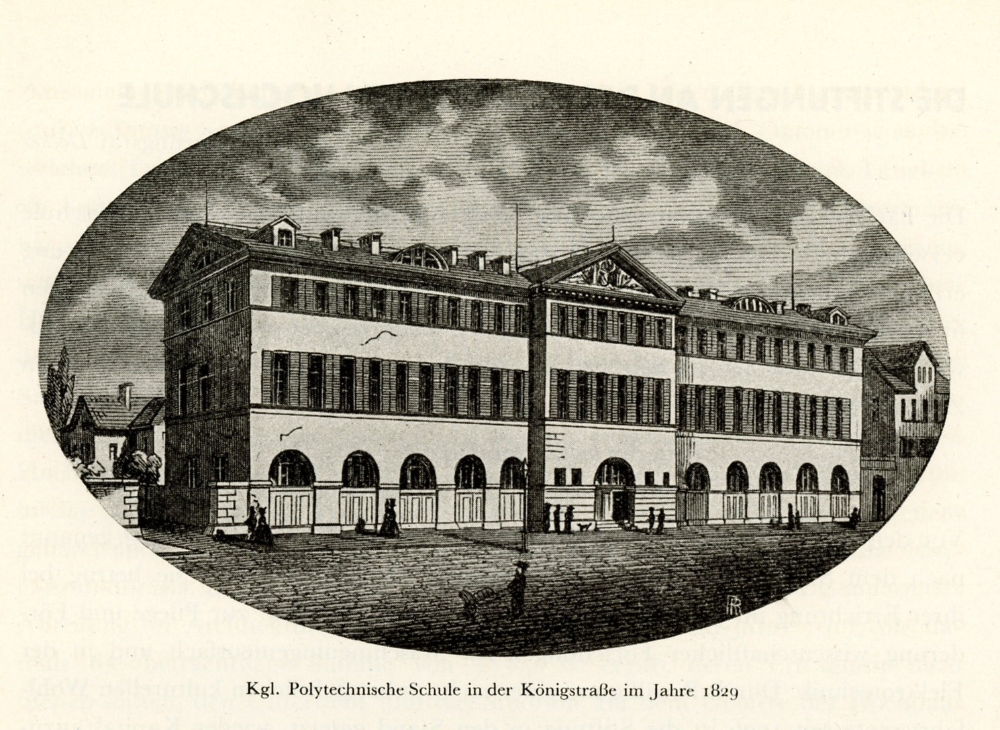
Founded as "Consolidated Real and Trade School" by King Wilhelm I of Wuerttemberg
1832
The Trade School is spun off
1840
Polytechnical secondary school
1876
Renamed to "Polytechnic"
1881
Organization of the materials testing shop
1890
Polytechnic university
1900
Right to confer doctoral degrees in engineering and natural science fields ("Dr.-Ing.")
1905
First female student admitted
1922
Right to confer doctoral degrees in the General Department (Humanities)
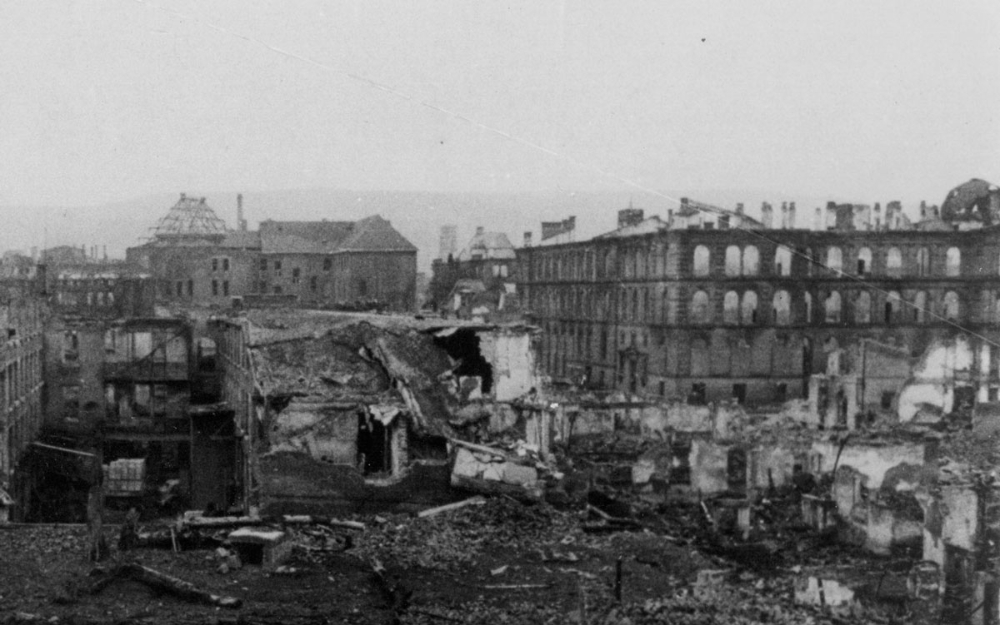
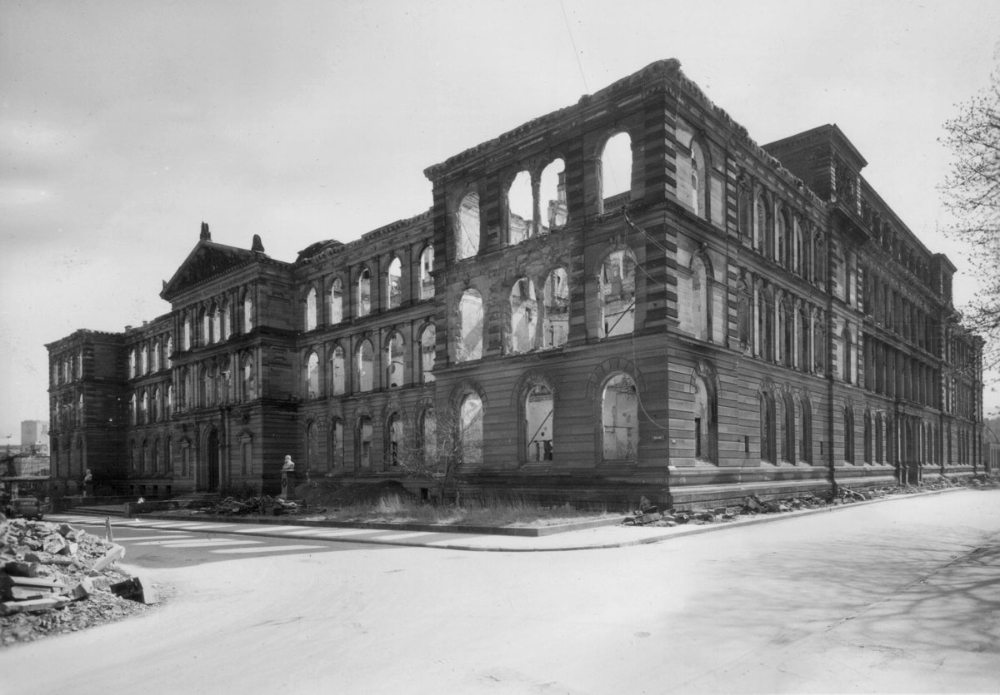
1944
Almost total destruction of buildings
1946
The Polytechnic University reopnes, with the help of faculty and students
1953
Right to confer doctorates in the humanities
1957
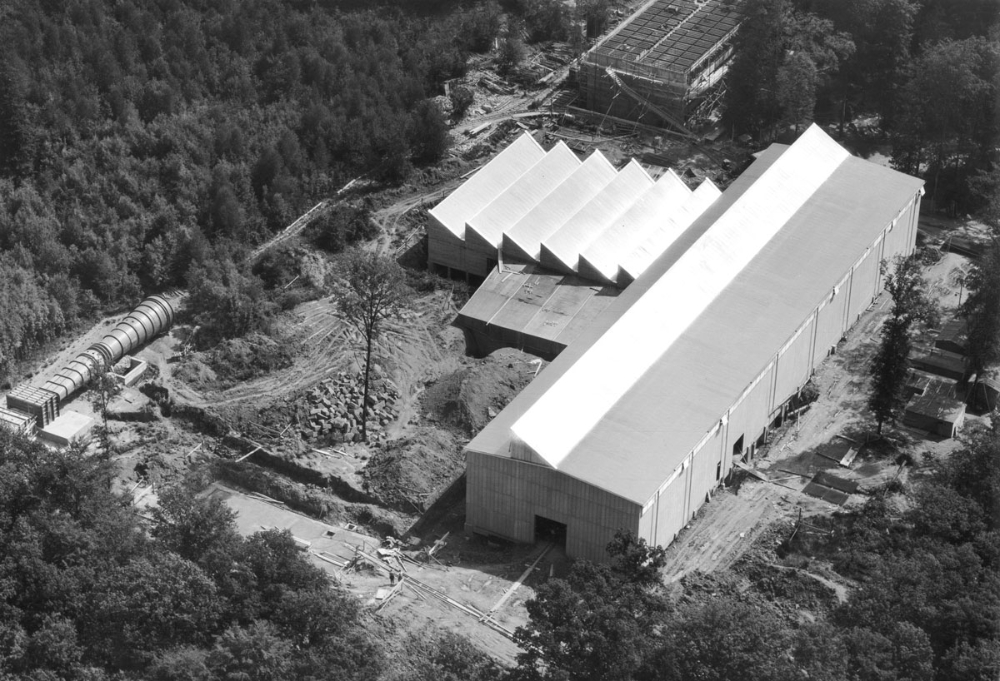
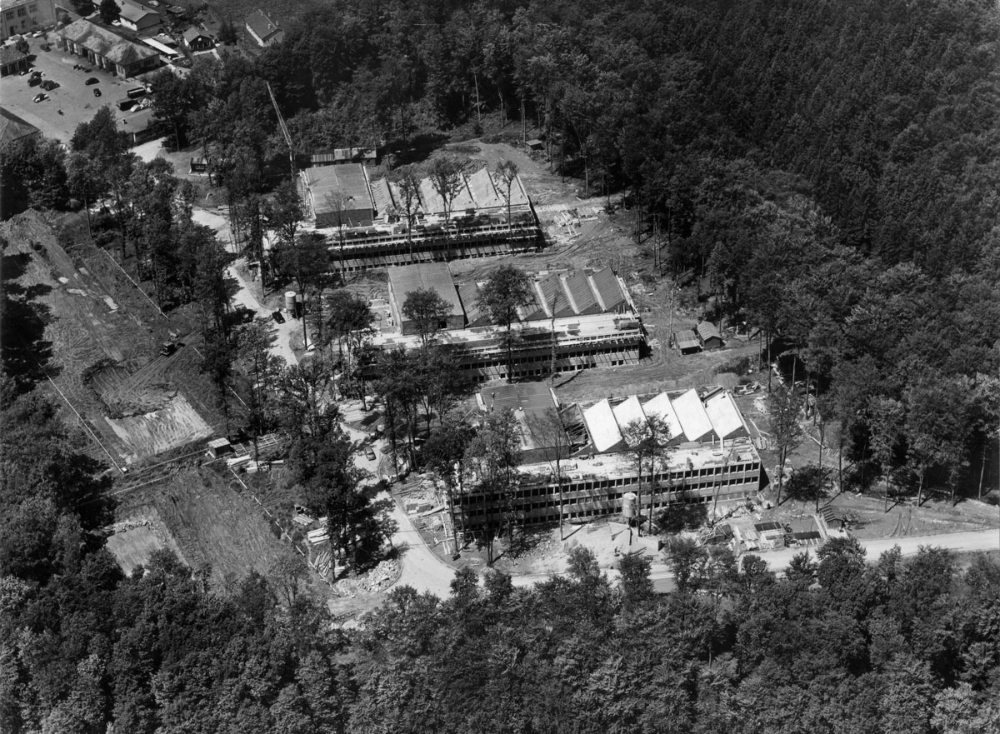
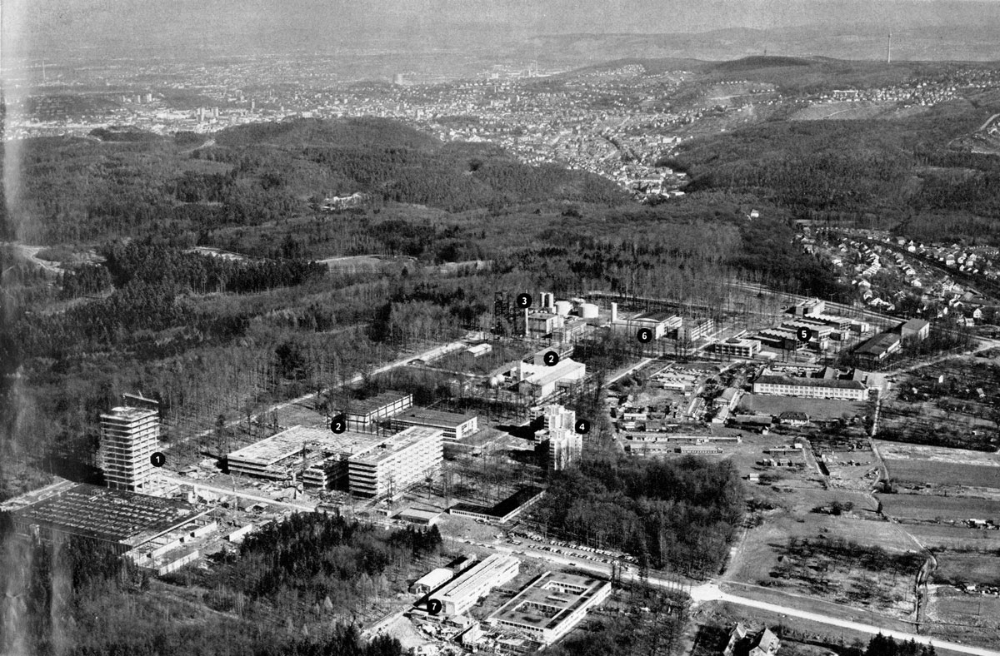
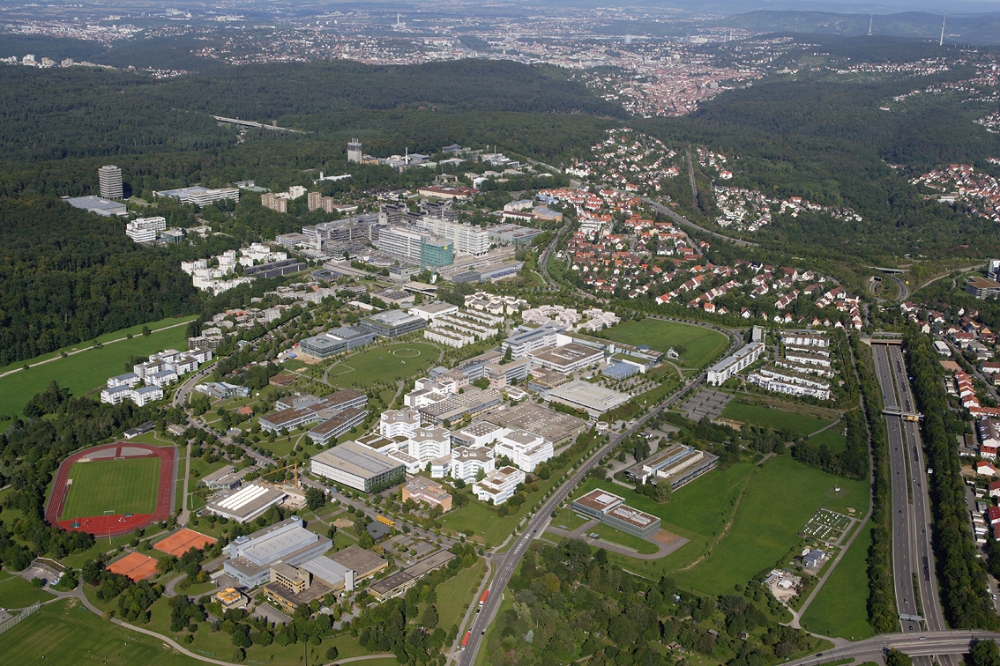
Start of constuction on the Stuttgart-Vaihingen campus
1967
Renamed as University of Stuttgart
1979
Right to confer doctorates in the social sciences
1997
The internationalization program is launched
2000
Einrichtung eines Universitätsrats
2002
Restructured into ten faculties
2007
Success achieved under the joint Federal/State Excellence Initiative with the Excellence Cluster “Simulation Technology” (SimTech) and the “Advanced Manufacturing Engineering” Graduate School (GSaME)
Start-up of the continuing education Master ‘s degree programs with the Online Academy
2010
The MINT Training College is organized
2013
The ARENA2036 campus is built
2015
The Hazel Hen super computer is recognized as the EU's fastest
2015/16
Enrollment reaches 28,000 students
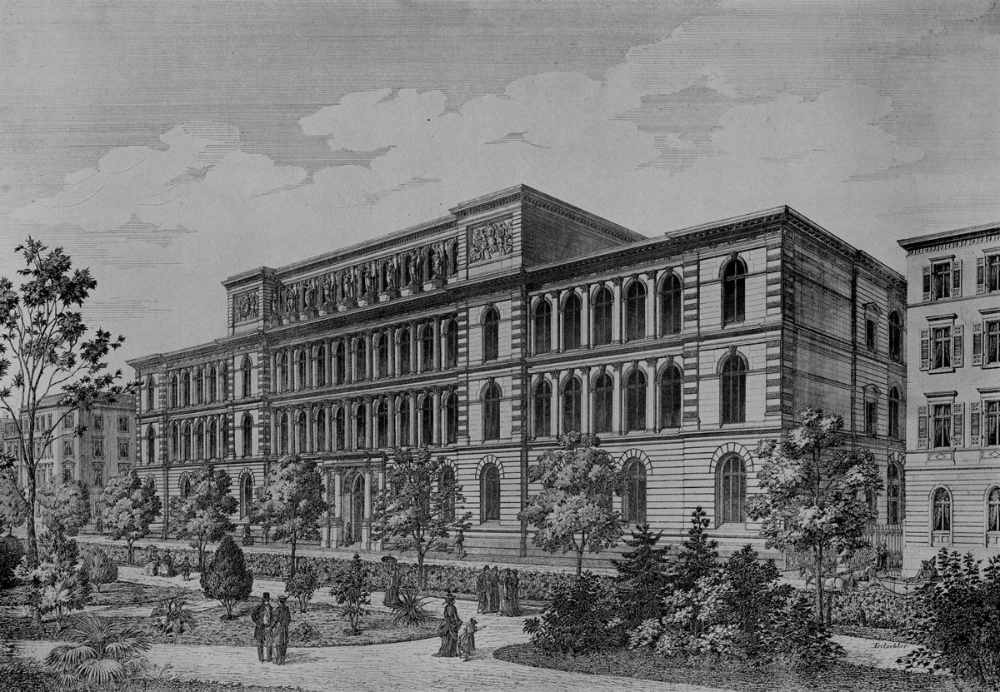
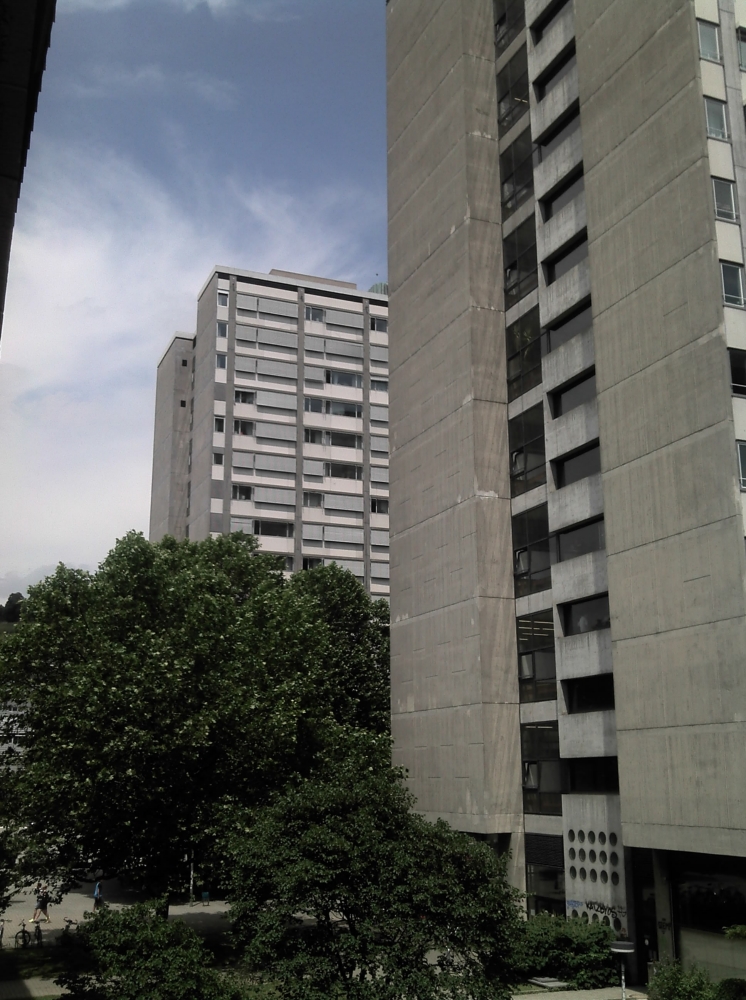
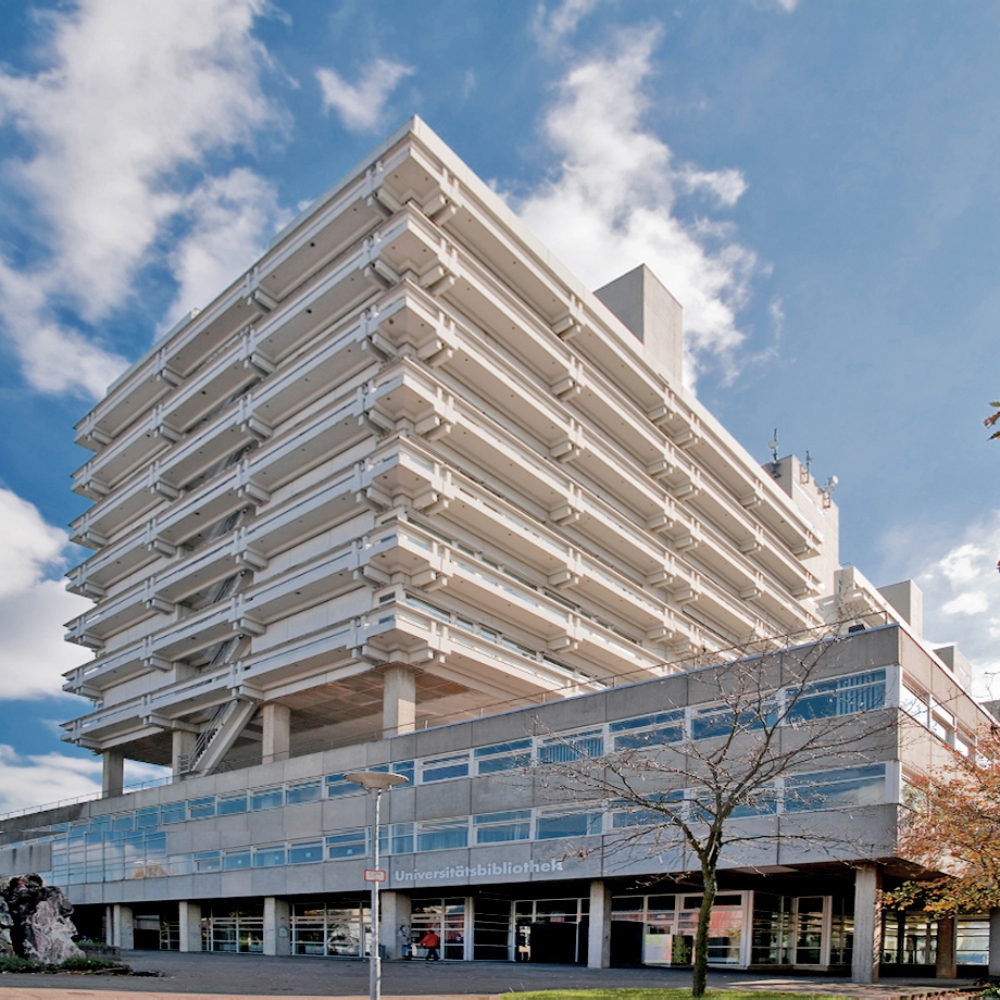
The University's history in pictures



Evolution of speciality fields
An 1862 reform divided the Polytechnic School classes into four technical colleges for architecture, engineering, mechanical engineering, and chemical engineering.
Two other areas were added in 1870: a technical college for mathematics and natural sciences and the “general education college” under whose roof history, German literature science, and modern foreign languages were taught.
In 1882, quite in keeping with the times and the recommendation by Werner von Siemens, electrical engineering was endowed at the Polytechnic. Telegraphy and telephony were the course contents. The sum of 700 Marks was allocated to pay for financing electric engineering classroom materials.
In 1891, the technical colleges started to be called "departments".
Technical and industrial development continued apace. In 1910/11 the Polytechnic University succeeded in establishing a department for airship, aeronautical, and motor vehicle engineering – a vital step for the Zeppelin’s home country as far as the government was concerned.
1919 saw the general education department combined with the mathematics-natural science department.
In 1941, the university adapted itself to structures that characterized universities in those days, resulting in the five departments being consolidated into three faculties: chemistry and the general department became the “Faculty of Natural Sciences and Complementary Subjects,” the “Civil Engineering Faculty” absorbed the former departments of architecture and construction engineering, and mechanical engineering, electrical engineering and aeronautical and automotive engineering made up the “Faculty for Mechanical Engineering.”
After 1945, there would no longer be aeronautical engineering research, because it had contributed to the development of military hardware. It was only in 1955 that an Institute for Aeronautical Engineering was inaugurated which later also took on aerospace engineering.
From 1963 on, a ten year expansion plan broadened the humanities departments to make it possible to educate teachers in Stuttgart without the need for them to transfer to other universities.
Under the impetus of the 1968 Higher Education Act, the three faculties were split into 19 specialty areas.
In 1978, this number came to be regarded as excessive and was again reduced to 13 faculties with on average 1,000 people in each.
- Faculty 1: Architecture and Urban Planning
- Faculty 2: Civil Engineering and Metrology
- Faculty 3: Chemistry
- Faculty 4: Electrical Engineering
- Faculty 5: Energy Engineering
- Faculty 6: Production Engineering
- Faculty 7: Geo- and Biosciences
- Faculty 8: History, Social Science and Economics
- Faculty 9: Aerospace Engineering
- Faculty 10: Mathematics and Computer Science
- Faculty 11: Philosophy
- Faculty 12: Physics
- Faculty 13: Process Engineering
A restructuring led in to the creation of the ten faculties that have persisted until today.
- Faculty 1: Architecture and City Planning
- Faculty 2: Civil and Environmental Engineering
- Faculty 3: Chemistry
- Faculty 4: Energy-, Process-, and Bioengineering
- Faculty 5: Computer Science, Electrical Engineering, and Information Technology
- Faculty 6: Aerospace Engineering and Geodesy
- Faculty 7: Engineering Design, Production Engineering and Automotive Engineering
- Faculty 8: Mathematics and Physics
- Faculty 9: Faculty of Humanities
- Faculty 10: Management, Economics and Social Sciences
More history online
- Stuttgart Impulses
The 2006 publication titled "Stuttgart Impulses" tells of outstanding research performed in the University's history and places it in the historical context.
Contact
The University of Stuttgart Archives have a large collection of old contemporary documents including official acts, reports, and photographs.