

Mit aktuell zwei Exzellenzclustern zählt die Universität Stuttgart zu den stärksten Standorten der Grundlagenforschung in Deutschland. Die beiden Exzellenzcluster „Integratives computerbasiertes Planen und Bauen für die Architektur“ und „Daten-integrierte Simulationswissenschaft“ widmen sich richtungsweisenden Themen unserer Zeit und entwickeln neue Wege der fachübergreifenden Zusammenarbeit. Forschende und Studierende finden hier ein hervorragendes Umfeld mit einer einzigartigen Infrastruktur und zahlreichen Partnern innerhalb der HighTech-Region Stuttgart und weltweit.
- Förderlinien der Exzellenzstrategie
Exzellenzcluster und Exzellenzuniversitäten
Als eine der führenden universitären Bildungseinrichtungen erzielen wir gemeinsam mit großem Einsatz Spitzenleistungen in der Wissenschaft.
Prof. Wolfram Ressel, Rektor der Universität Stuttgart
Exzellenzcluster
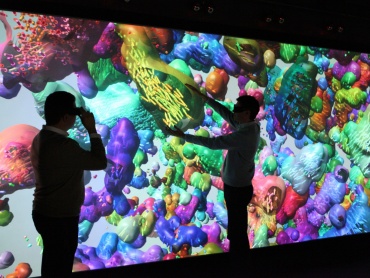
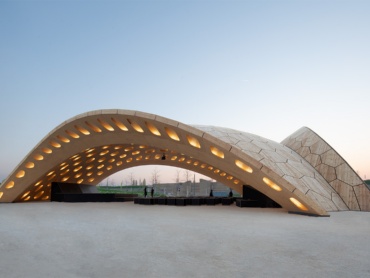
[Fotos: Visus / Universität Stuttgart, ICD / Universität Stuttgart]
Exzellenz in Verbundforschungsprojekten
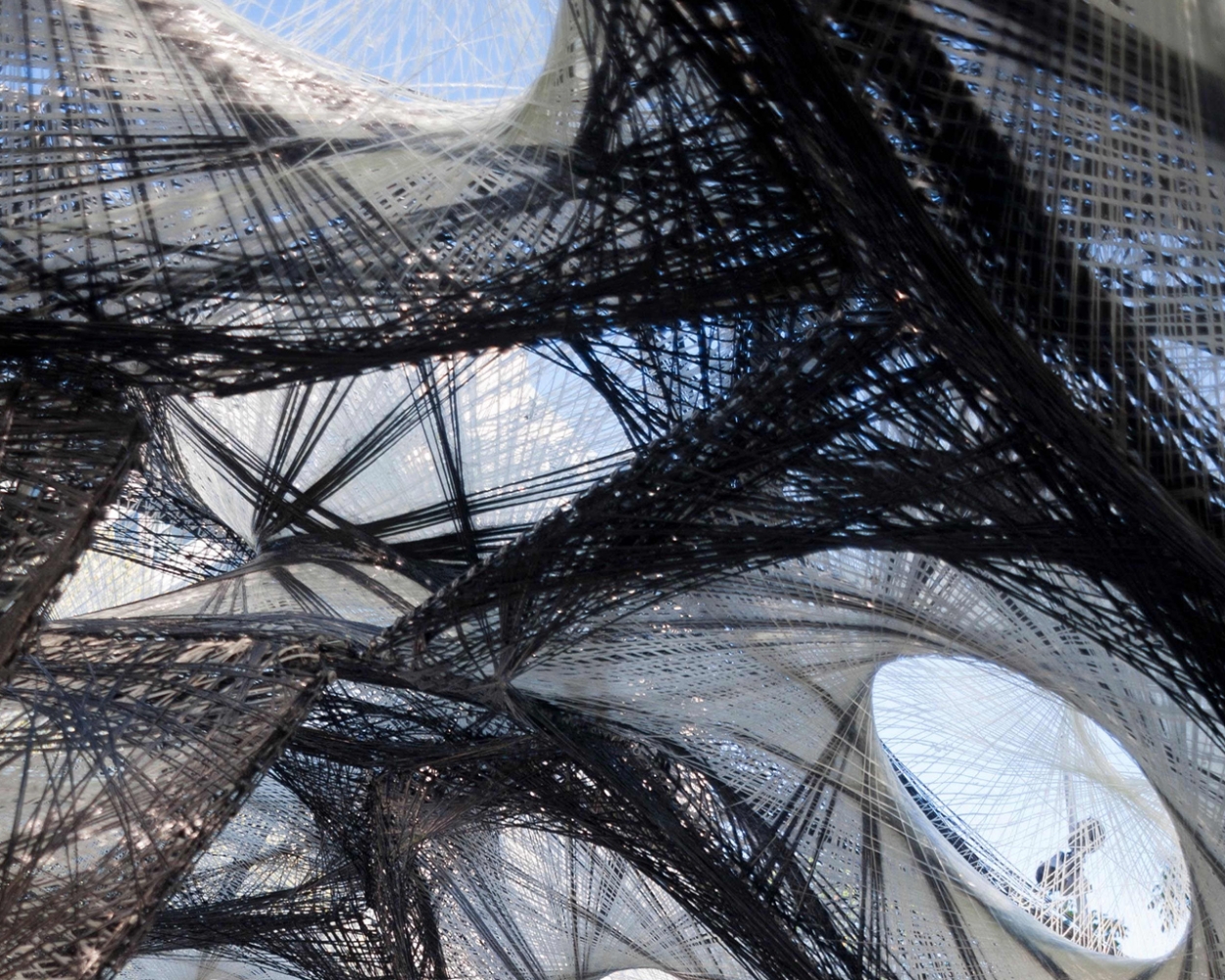
Von großer Bedeutung für die Universität Stuttgart sind Forschungsverbünde, die sich in kompetitiven Auswahlverfahren durchsetzen und mit ihren wissenschaftlichen Aktivitäten und Rahmenbedingungen international an der Spitze positionieren. Dazu gehören zum Beispiel DFG-Sonderforschungsbereiche und DFG-Graduiertenkollegs sowie BMBF- und EU-geförderte Großprojekte.
Exzellenz in der Individualforschung

Eine wichtige Grundlage für hochkarätige Forschung ist individuelle wissenschaftliche Exzellenz und Sichtbarkeit. An der Universität Stuttgart gibt es zahlreiche ausgewiesene Forschungspersönlichkeiten. Sie genießen international hohe Anerkennung und sind gefragte Kooperationspartner*innen.
Exzellenzprojekte für die gesamte Universität
Die Universität Stuttgart hat im Rahmen der Exzellenzstrategie einen Strategiezuschlag erhalten. Die so genannte Universitätspauschale dient zur Stärkung der Governance und der strategischen Ausrichtung der Universität und bietet den Angehörigen der Universität viele Förder- und Partizipationsmöglichkeiten in Forschung, Lehre und im Bereich Wissens- und Technologietransfer.
- Agility Lab
- Projekt für innovative Verwaltungsprozesse
- Global Glimpse
- Kurzaufenthalte im Ausland für Nachwuchswissenschaftler*innen und Personal aus Lehre und Verwaltung im Rahmen des Global Glimpse Förderprogramms.
- Interchange Forum for Reflecting on Intelligent Systems – SRF IRIS
- Wissenschaftlicher Verbund für die Reflexion von intelligenten Systemen
- JoinUS
- Plattform für wissenschaftliche Karriereoptionen an der Universität Stuttgart
- School for Talents
- Förderprogramm für talentierte Studierende
- Strategiedialoge
- Foren für die gemeinsame Gestaltung der Universität
- Terra Incognita Fonds
- Förderprogramm für mutige Forschung
Frühere Erfolge in der Exzellenzinitiative
Das Spitzenniveau und der Teamspirit der Stuttgarter Wissenschaftscommunity hat zu mehreren Erfolgen im Rahmen der Exzellenzprogramme des Bundes und der Länder geführt. Von 2007 bis 2017 erhielten das Exzellenzcluster EXC 310 Simulationstechnik und die GSC 262 Graduate School of Excellence advanced Manufacturing Engineering (GSaME) eine mehr als zehnjährige Förderung. Beide Verbünde haben das Profil der Universität Stuttgart nachhaltig geprägt und sind bis heute in Forschung, Lehre und Transfer aktiv.
Exzellente Voraussetzungen für Forschung, Studium und Kooperationen
Kontakt

Wolfram Ressel
Prof. Dr.Rektor der Universität

Manfred Bischoff
Prof. Dr.Prorektor Forschung und wissenschaftlicher Nachwuchs

Michael Waldbauer
Dr.Leiter Rektoratsbüro