



Study program structure and content
Transport engineers work in an interdisciplinary manner to meet society's demands for an efficient transport systems. The program therefore combines subject areas from civil engineering, environmental engineering, electrical engineering, automotive and engine technology, mechanical engineering, urban planning, and economics.

The study program is part of the engineering disciplines and can be broadly divided into the following five areas:
- Approximately 20 % mathematics and mechanics
- Approximately 10 % electronics, computer science, and similar subjects.
- Approximately 10 % economics and logistics.
- Approximately 30 % transport-related subjects
- Approximately 30 % elective courses.
This Bachelor's study program focuses on imparting basic knowledge for the planning and operation of transport systems. This includes learning important aspects of both transport infrastructure and vehicles, as well as operations management. With a wide range of supplementary modules and the two groups of elective subjects, you can choose specializations to meet your interests.
- Program structure [de]
For more information on the study program structure please consult our German website - Curriculum and module handbook [de]
In the C@MPUS portal, you can view the structure of the study program. Clicking the book icon opens the module handbook with detailed information on course content. - Information on the Bachelor of Arts and Bachelor of Science
Click here to learn more about the Bachelor's degree in Germany
Studying abroad
Intercultural exchange, enhanced language skills, fresh perspectives on your field of study, exciting adventures, lifelong global friendships, personal growth, and a valuable boost to your CV — all this and more awaits you during a stay abroad! Are you interested in studying abroad for one or two semesters, or doing a language course or an internship, or would you like to take part in a summer school? The International Office will help you to make your stay a reality.
- Find out more about your options!
Everything you need to know about studying abroad: group advice, partner universities, language requirements, application deadlines, funding.
Images from the study program
Get a glimpse of how the study program works.
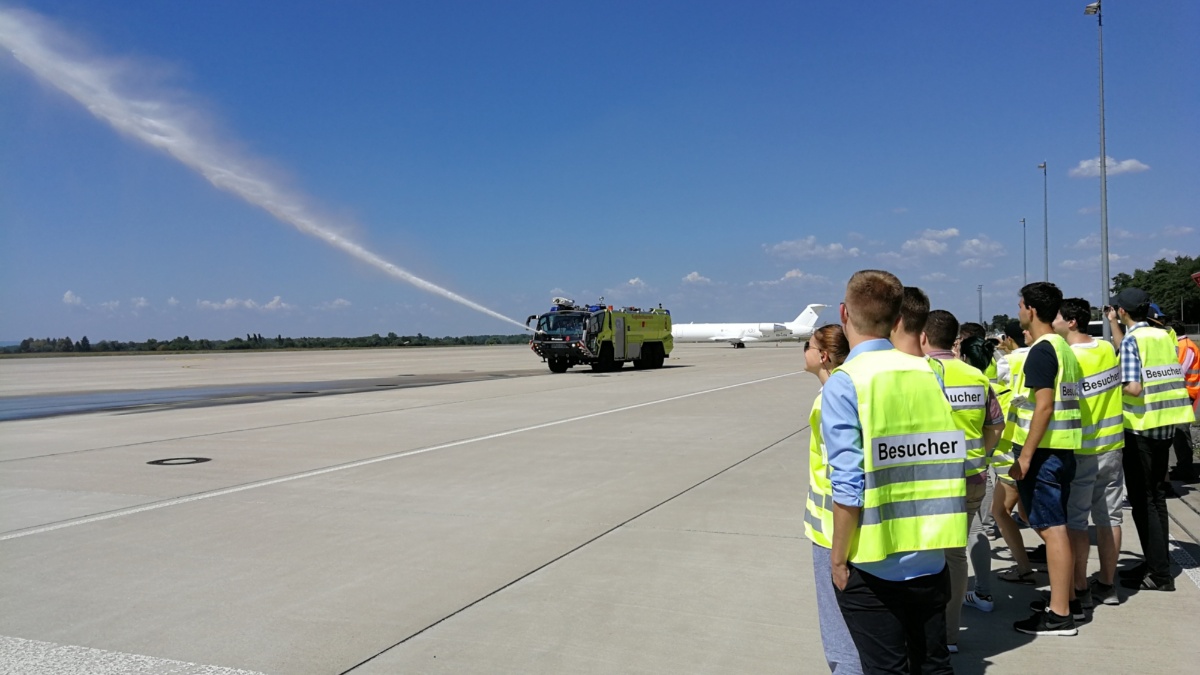
To deepen the knowledge gained in lectures in a practical way, the study program offers numerous small and large excursions as part of the study program. Participation in these is voluntary.
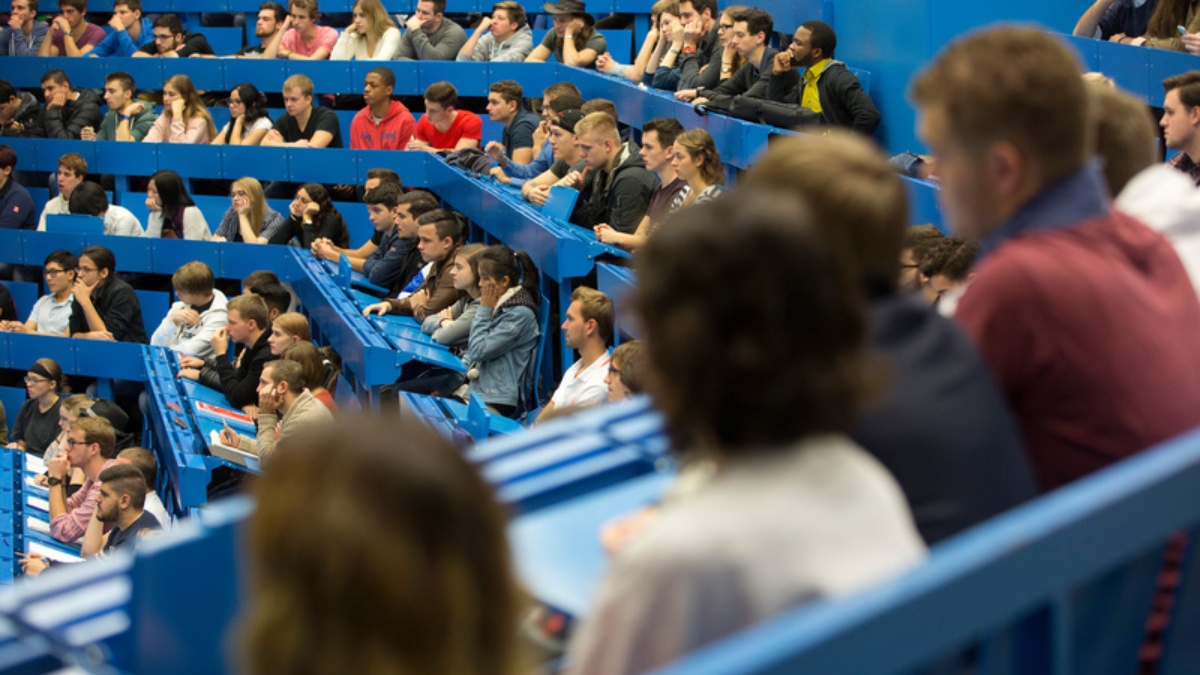
This study program is comprised primarily of lectures, which need to be prepared and reviewed. In the first semesters, foundational training is provided in areas such as advanced mathematics, electrical engineering, mechanics, and economics.
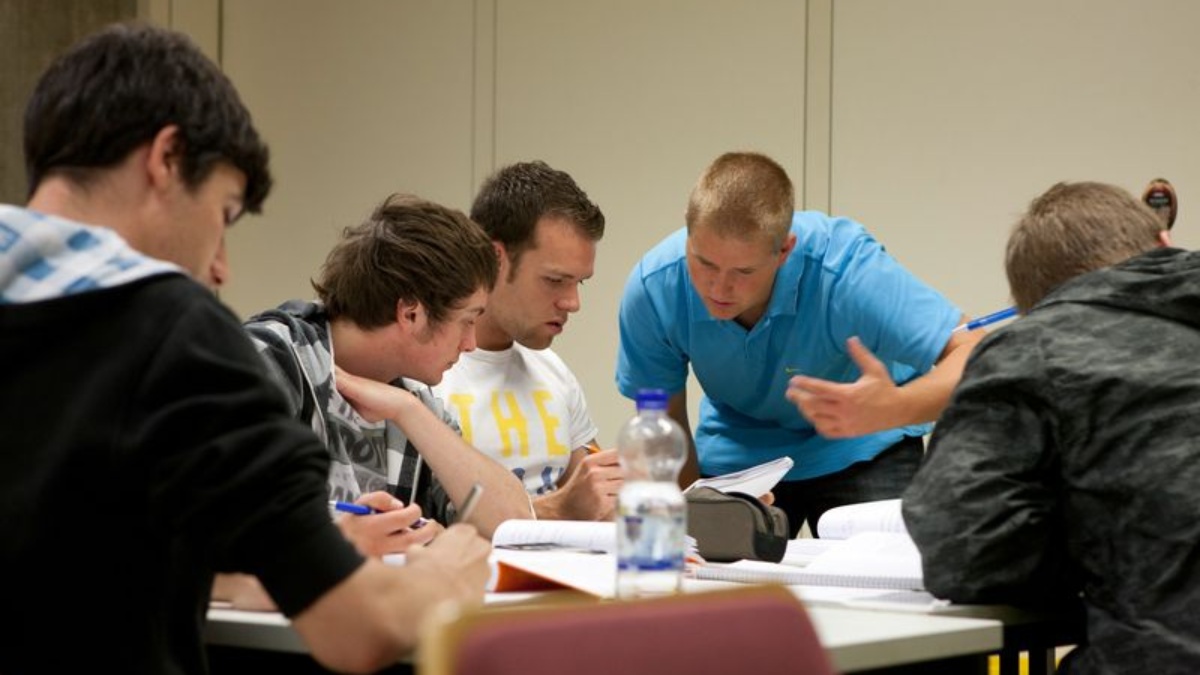
In addition to the lectures, you also partake in exercises. In these sessions, the theoretical content of the lectures can be practiced there in a practical way and under guidance. Students are encouraged to work in small groups to discuss the material and overcome difficulties together.
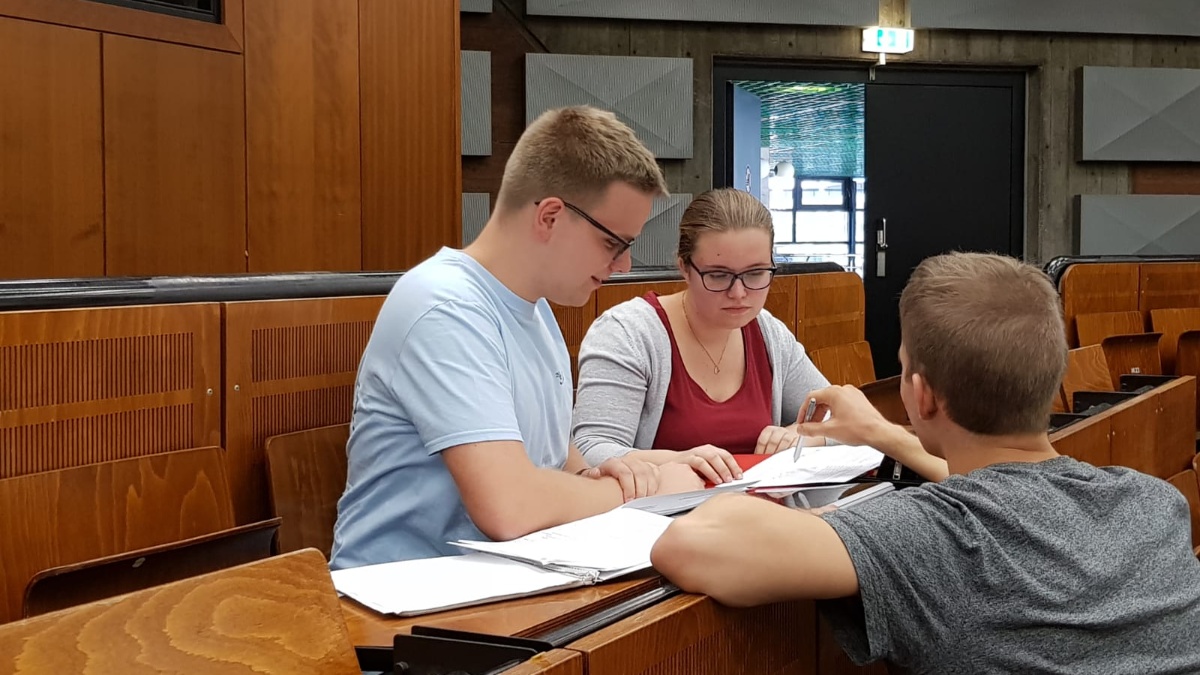
In addition to the numerous lectures and exercises, you attend a seminar with practical exercises. There, you learn to independently tackle questions in transport engineering. For example, you prepare a presentation, deliver it, and develop a written term paper.