


Study program structure and content
Responses to climate change, microplastics, PFAS in soil, reuse concepts, smart grids, or social vulnerability in cities require broad, interdisciplinary knowledge in the natural, engineering, and environmental sciences - the toolbox for environmental engineering students.
Tools such as math, chemistry, biology, engineering mechanics, fluid mechanics, thermodynamics, meteorology, geology, spatial planning & environmental planning, environmental measurement technology, and environmental law are taught in semesters 1 through 4. The environmental module catalog of electives for the 5th and 6th semesters, along with the independently conducted Bachelor’s thesis, enables a subject-specific and application-oriented education through modern teaching formats and forms the basis for the master’s program.
- Program structure [de]
For more information on the study program structure please consult our German website - Curriculum and module handbook [de]
In the C@MPUS portal, you can view the structure of the study program. Clicking the book icon opens the module handbook with detailed information on course content. - Information on the Bachelor of Arts and Bachelor of Science
Click here to learn more about the Bachelor's degree in Germany
Studying abroad
Intercultural exchange, enhanced language skills, fresh perspectives on your field of study, exciting adventures, lifelong global friendships, personal growth, and a valuable boost to your CV — all this and more awaits you during a stay abroad! Are you interested in studying abroad for one or two semesters, or doing a language course or an internship, or would you like to take part in a summer school? The International Office will help you to make your stay a reality.
- Find out more about your options!
Everything you need to know about studying abroad: group advice, partner universities, language requirements, application deadlines, funding.
Images from the study program
Get a glimpse of how the study program works.
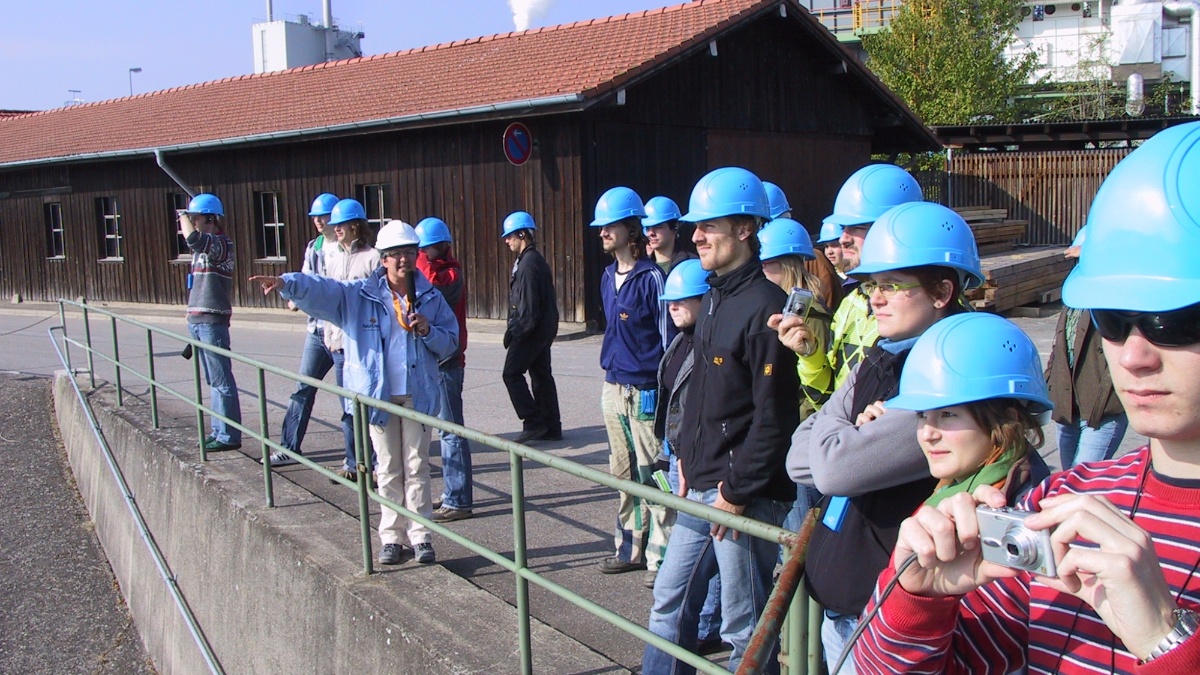
The environmentally-focused content becomes especially tangible during excursions to facilities for energy production, waste recycling and disposal, water supply and treatment, and air quality management.
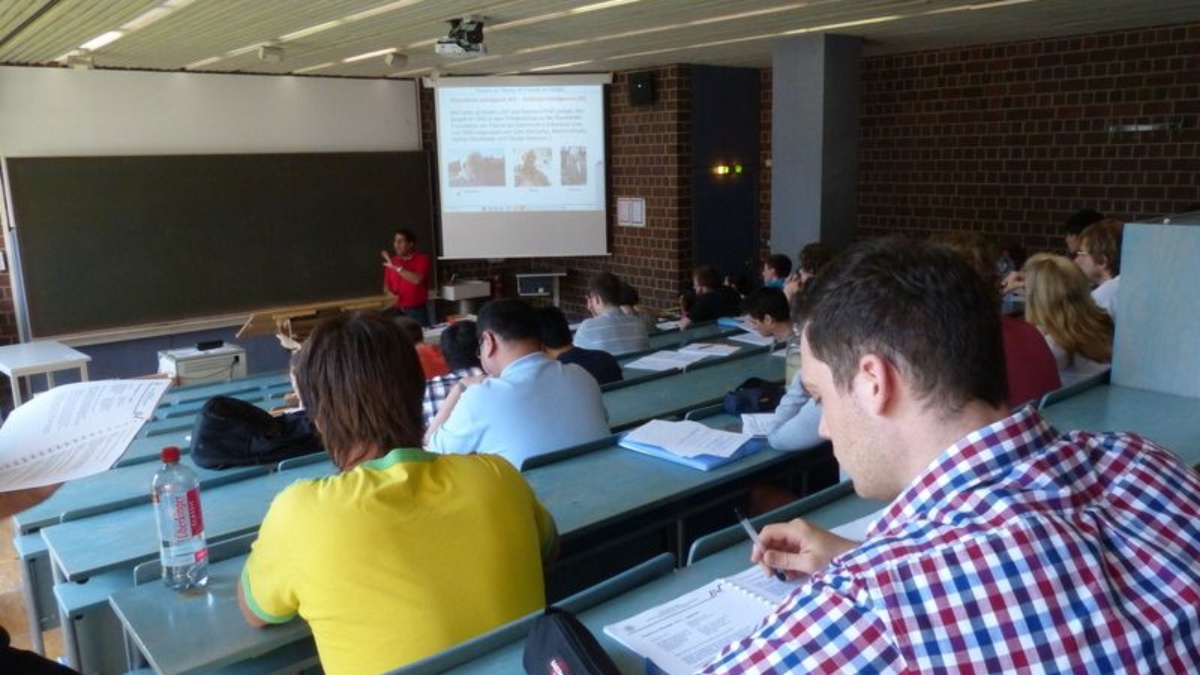
However, a large part of the teaching content in the Environmental Engineering Bachelor’s program is delivered in traditional lectures…
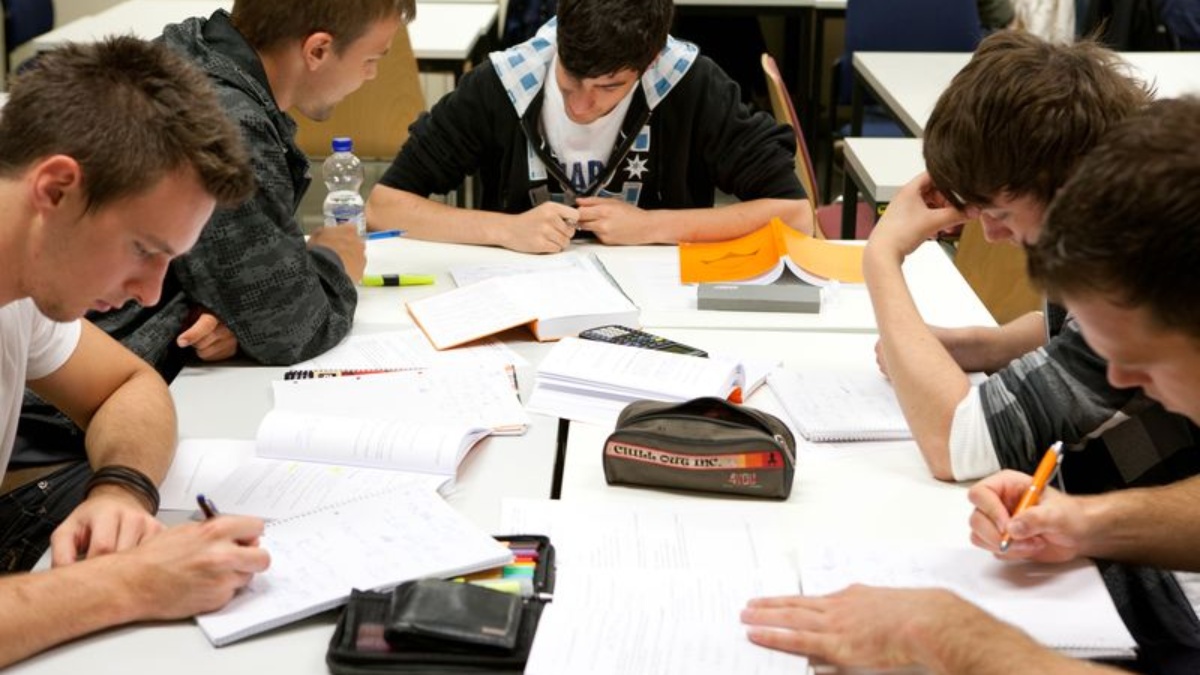
... and practical exercise.
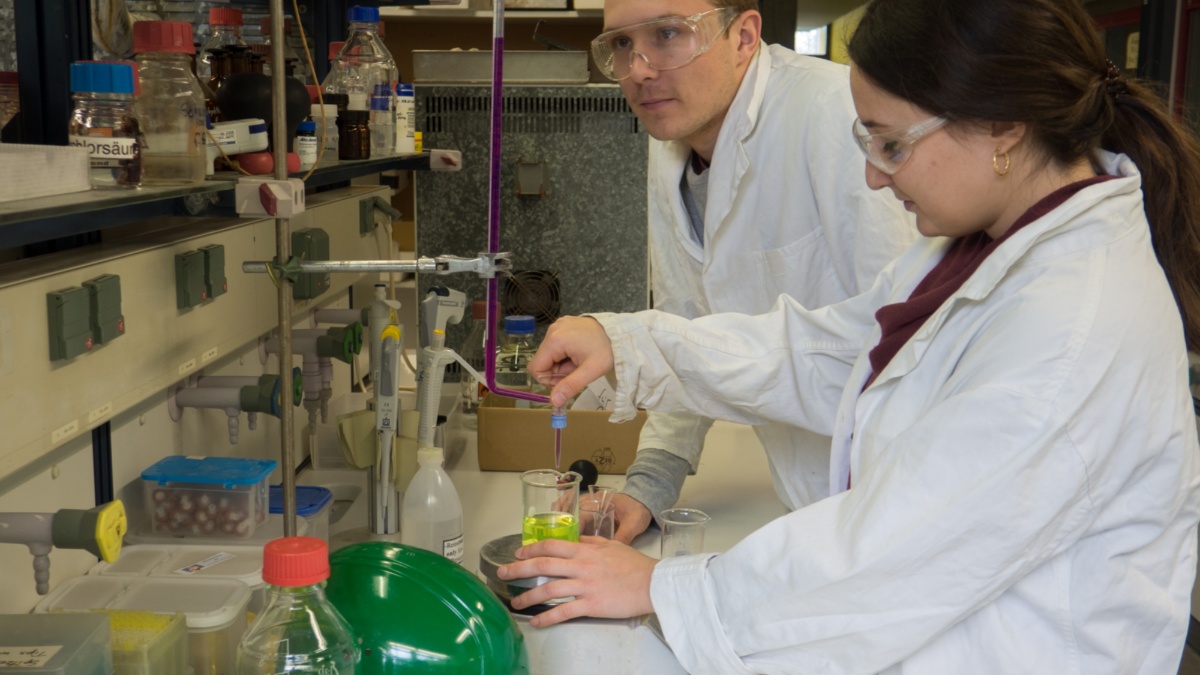
For Environmental Engineering students, it is especially important to get hands-on experience in practical laboratory sessions. Practical courses in inorganic and organic chemistry, analytical chemistry, physics, and biology reinforce the theoretical knowledge gained. Being able to use a pipette properly in the chemistry lab, learning to operate measuring instruments, or taking a water sample – that is hands-on Environmental Engineering.