


Study program structure and content
In the first three semesters, you focus on the mathematical, scientific, and engineering fundamentals. You will attend courses in advanced mathematics, physics, information technology, technical mechanics, materials science, and engineering design. In the second half of the program, application-oriented engineering disciplines take center stage, including statics, fluid mechanics, thermodynamics, space engineering, systems engineering, and aerospace engineering/propulsion.
The study program primarily focuses on expanding knowledge and developing new, innovative, and interdisciplinary methods. This is also the fundamental difference compared to studying at a University of Applied Sciences or a dual university.
- Program structure [de]
For more information on the study program structure please consult our German website - Curriculum and Module Handbook [de]
In the C@MPUS portal, you can view the structure of the study program. Clicking the book icon opens the module handbook with detailed information on course content. - Information on the Bachelor of Arts and Bachelor of Science
Click here to learn more about the Bachelor's degree in Germany
Studying abroad
Intercultural exchange, enhanced language skills, fresh perspectives on your field of study, exciting adventures, lifelong global friendships, personal growth, and a valuable boost to your CV — all this and more awaits you during a stay abroad! Are you interested in studying abroad for one or two semesters, or doing a language course or an internship, or would you like to take part in a summer school? The International Office will help you to make your stay a reality.
- Find out more about your options!
Everything you need to know about studying abroad: group advice, partner universities, language requirements, application deadlines, funding.
Studying Aerospace Engineering Internationally:
Many aerospace engineering students spend a semester abroad. For example, you can write your Bachelor’s thesis at a university abroad and/or complete an industrial internship abroad. There are exchange programs with European universities in France, the United Kingdom, Italy, Spain, Sweden, and the Netherlands. There are also connections with non-European universities, for example in the USA, Canada, South America, Australia, Japan, and Singapore.
Images from the study program
Get a glimpse of how the study program works:
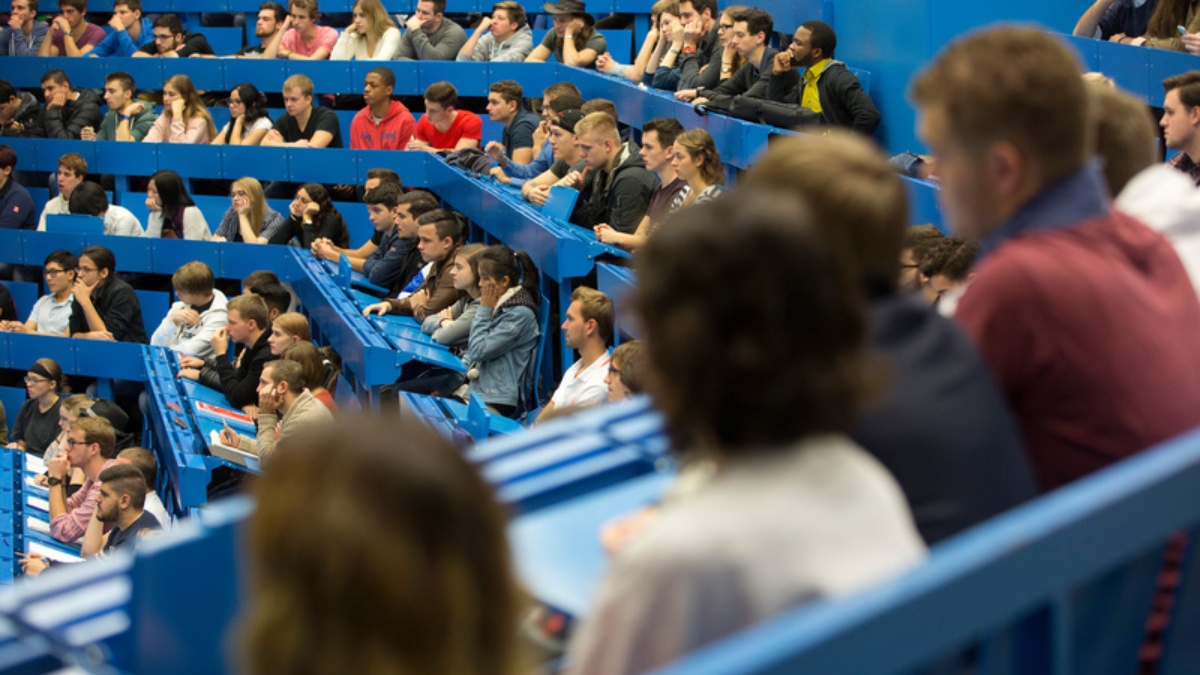
You attend large lectures to learn basic mathematics, science and engineering skills. Here, it might be the case that you attend lectures together with several hundred fellow students in a lecture hall. Lectures usually conclude with an exam at the end of the semester.
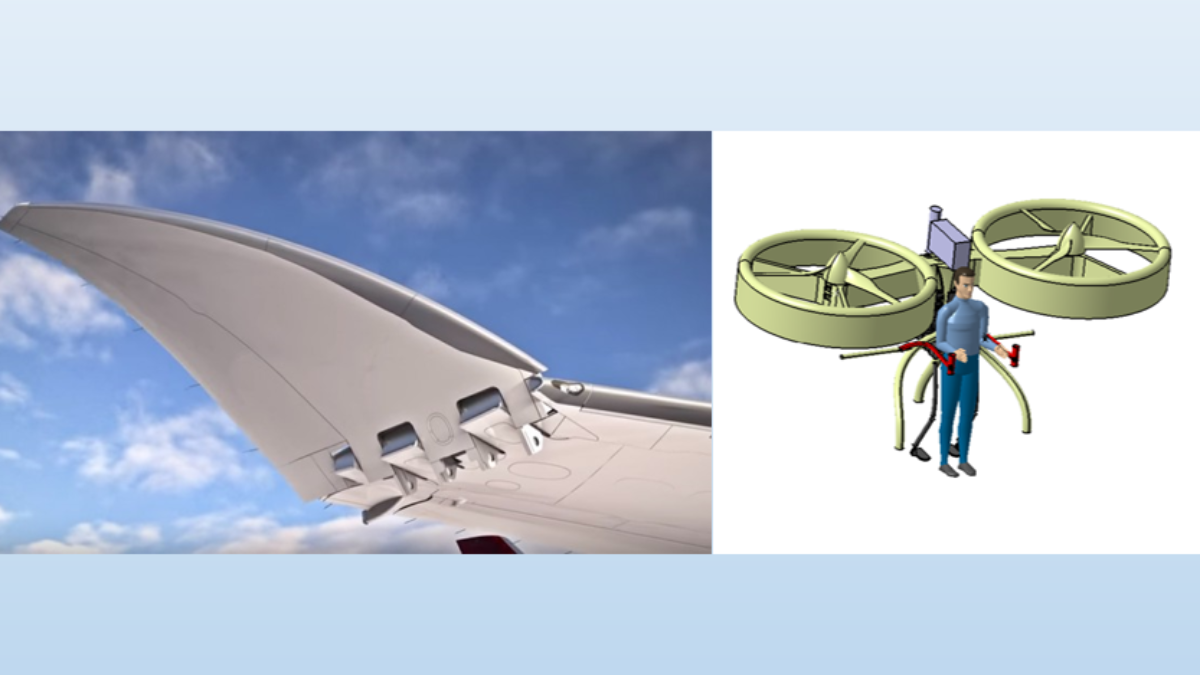
In projects and seminars, you will work in small groups on tasks similar to those you will encounter later in the workplace. A construction seminar is offered in the 3rd semester. There, you apply the knowledge you have gained in engineering design and technical drawing to practical projects. In a semester-long assignment, you work in small groups on the complete design and development of a project, such as a manned duocopter or a foldable winglet.
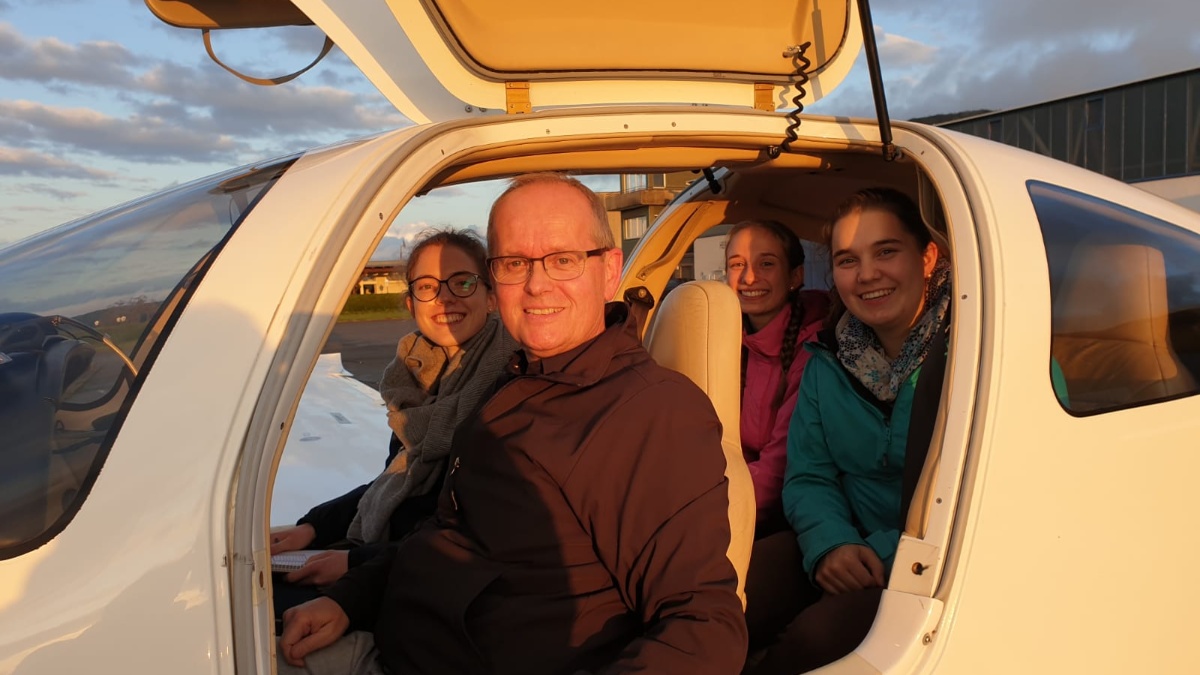
You also have the opportunity to participate in projects such as the "Flight Laboratory Project Seminar." There, you deepen your understanding of the multidisciplinary aspects of aircraft through various flight experiments in a team setting.
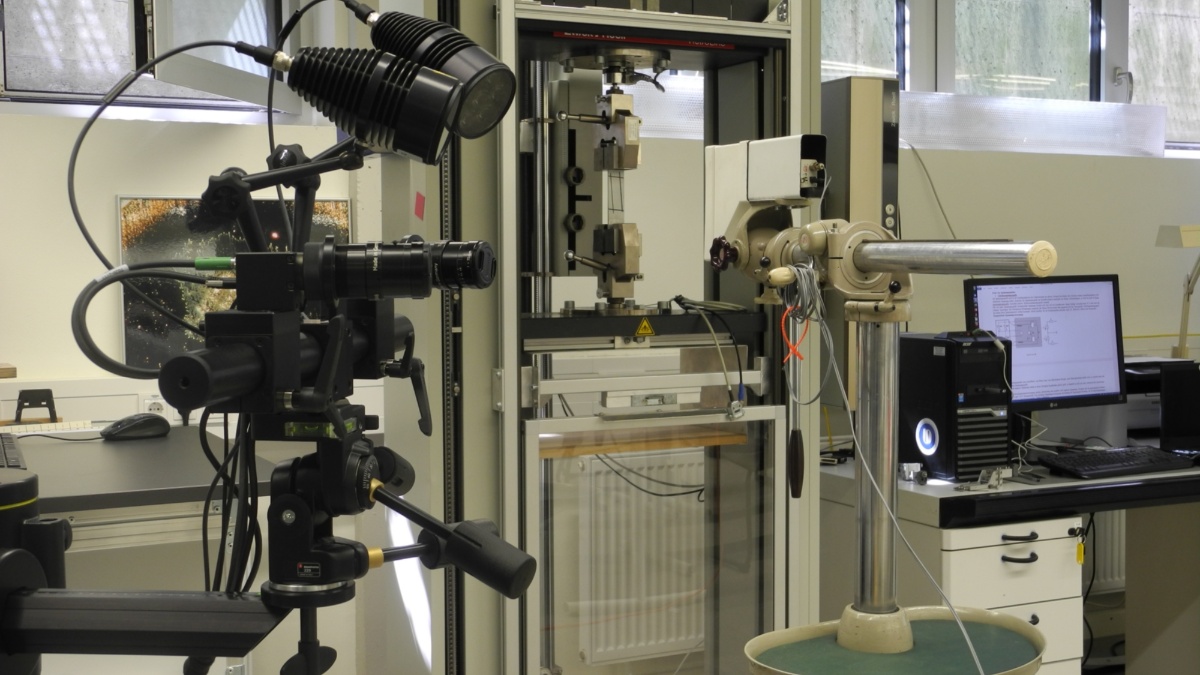
You also gain practical experience during your studies through so-called "labs". These are practical laboratory sessions. In these sessions, you have the opportunity to conduct experiments and development projects. This image shows the laboratory setup for tensile tests, which you will encounter as part of your materials science lab.
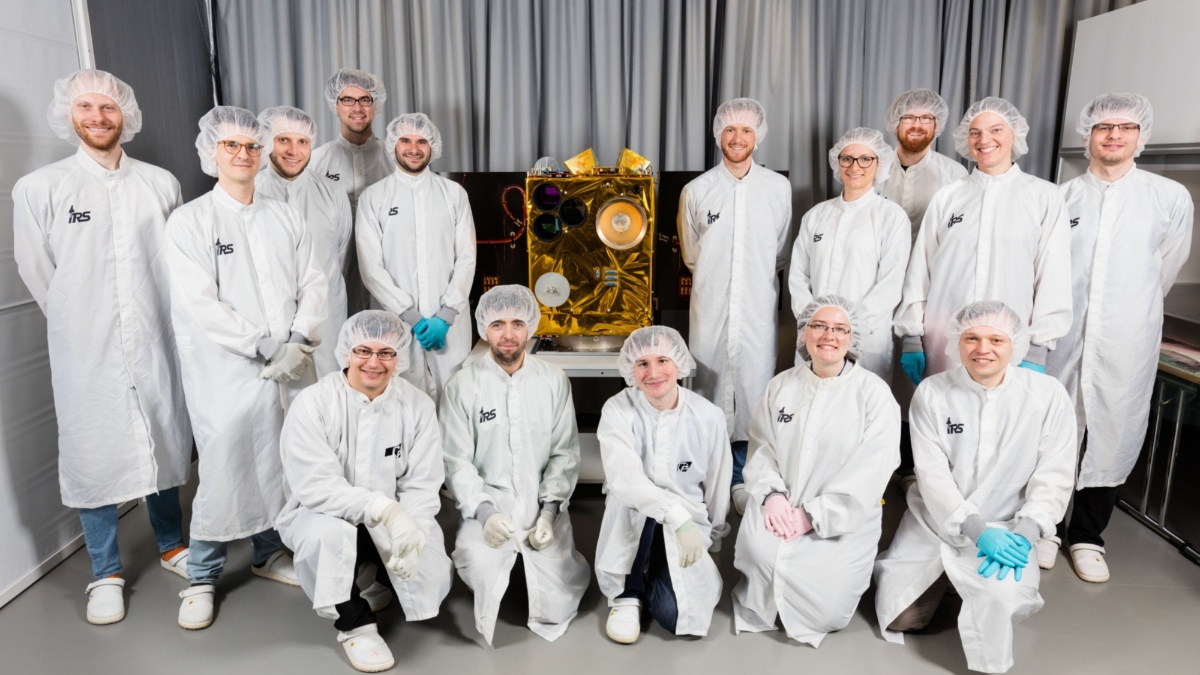
Projects and workshops give students the opportunity to gain additional practical experience. Examples include the Space Station Design Workshop or the small satellite program [de], developing a wind-powered vehicle with the student group InVentus, or collaboratively designing and building an R/C-controlled blended wing body model. Students are encouraged to get actively involved. The photo shows the team behind the small satellite "Flying Laptop."
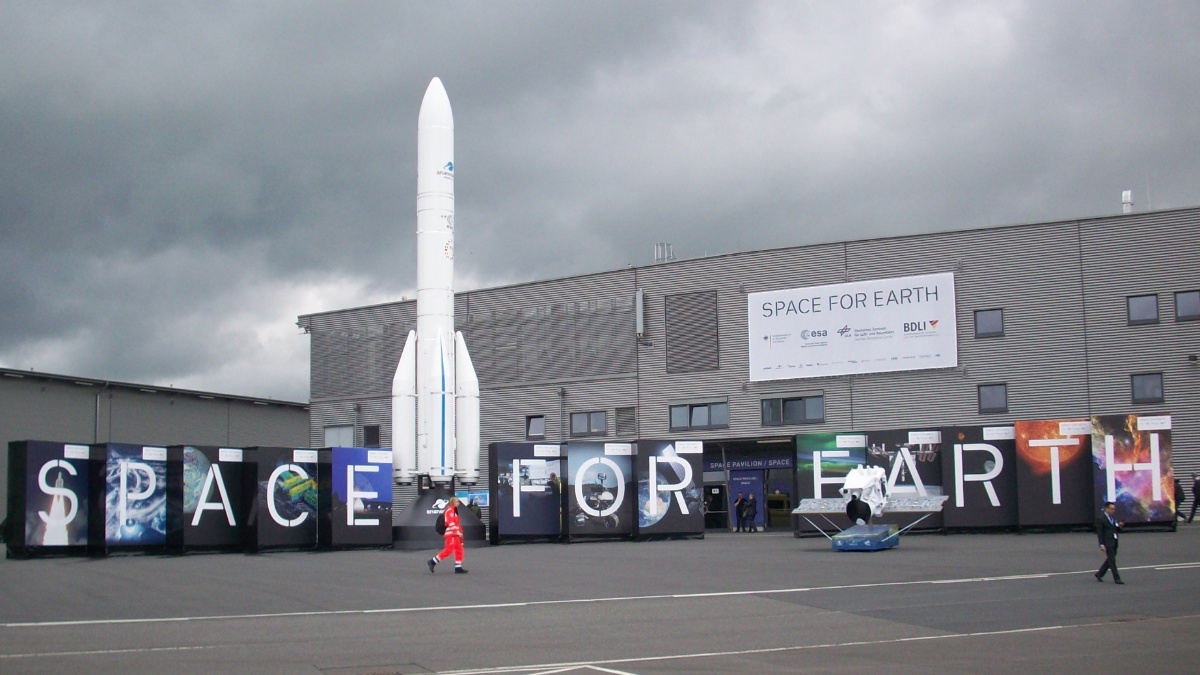
Porsche GT3, Airbus A380, or perhaps the entire Japanese space program? The annual excursions organized by the student association FLURUS to major aviation trade shows, day trips by EUROAVIA, and large-scale institute trips at home and abroad offer the opportunity to experience cutting-edge technology up close.
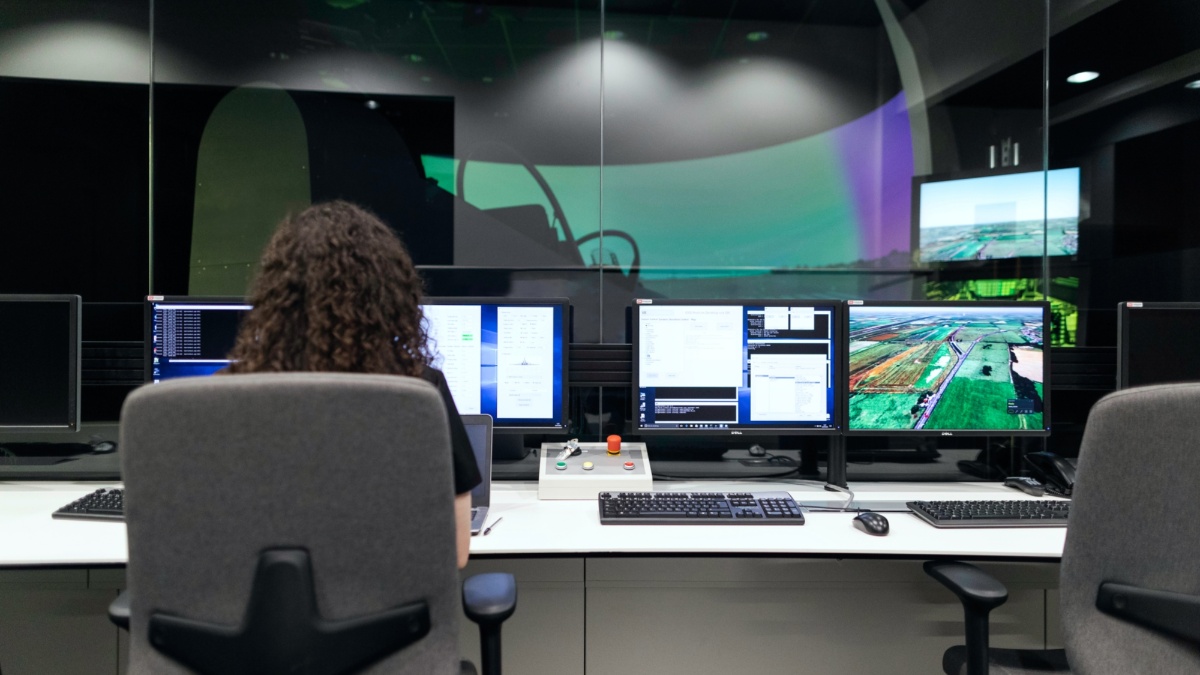
Students complete a 12-week industrial internship in the 6th semester. The aim of the industrial internship is to provide insight into the variety of operational processes and professional opportunities. The Bachelor’s thesis gives students the opportunity to get involved in current research and development projects.